Most homeowners don’t think about their roof until there’s a serious problem. As long as there isn’t water dripping into the house, many assume everything is fine. But the reality is that roofs often show warning signs long before major leaks begin. The challenge is knowing whether those signs mean you need a simple repair—or if it’s finally time for a full replacement.
One of the biggest indicators is age. In New York, asphalt shingle roofs typically last around 20 to 25 years, but harsh weather can shorten that lifespan significantly. Snow, ice, heavy rain, and strong winds put constant stress on roofing materials year after year. Even if your roof looks “okay” from the ground, age alone can mean the materials are beginning to weaken beneath the surface.
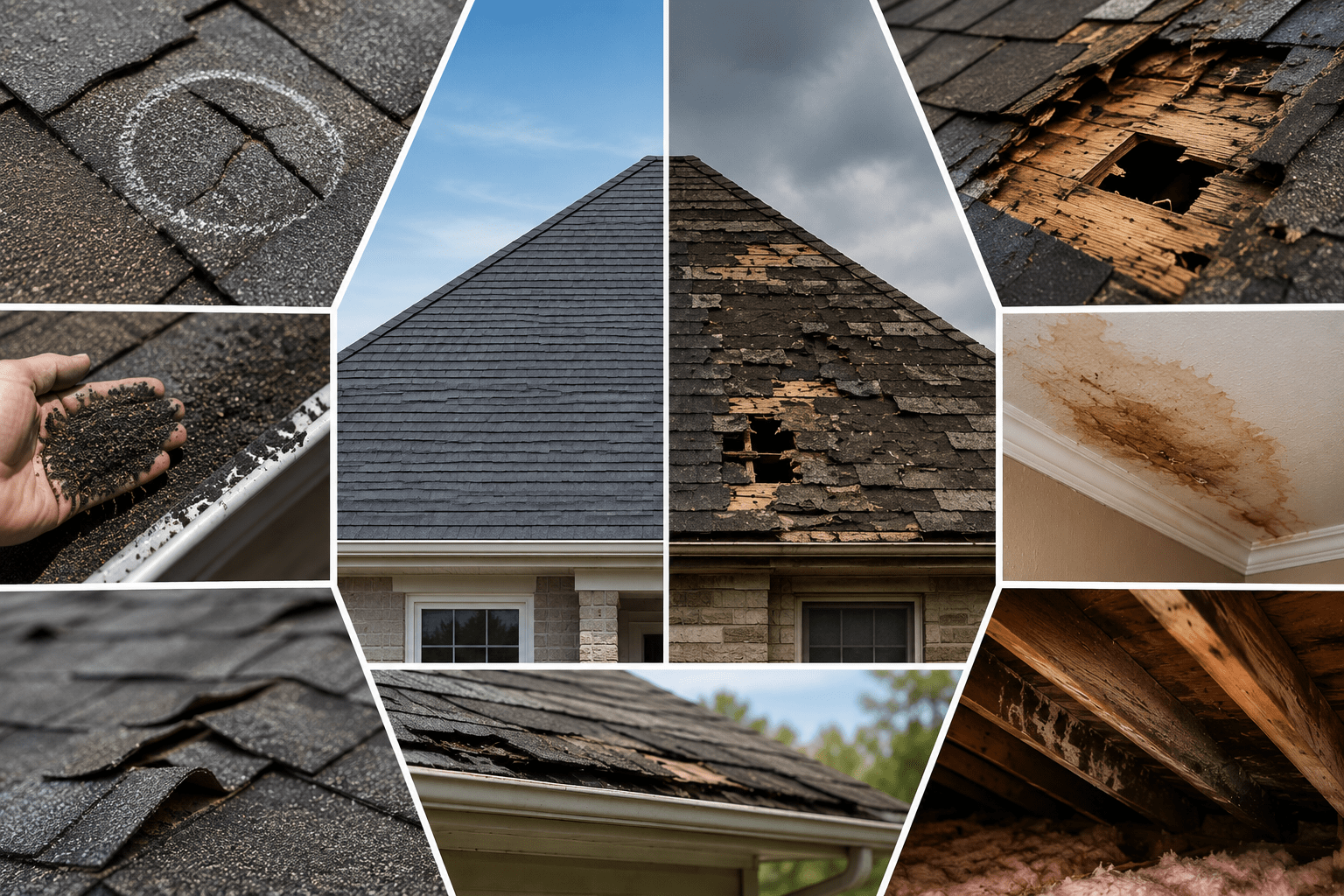
Another common warning sign is missing or damaged shingles. After storms, shingles may crack, curl, loosen, or disappear entirely. While replacing a few shingles might seem minor, widespread damage usually indicates that the roof system itself is starting to fail. When repairs become more frequent, homeowners often spend more money patching problems than they would by replacing the roof entirely.
Leaks and water stains are another major red flag. A small stain on the ceiling may not seem urgent, but it often means moisture has already traveled through layers of the roof and attic. By the time interior signs appear, hidden damage may already exist in insulation, wood framing, or drywall. Waiting too long can lead to mold growth, structural issues, and much higher repair costs.
Granule loss is another issue many homeowners overlook. If you notice large amounts of black granules collecting in gutters or around downspouts, your shingles are wearing down. Those granules are designed to protect the roof from UV rays and weather exposure. Once they begin disappearing, the shingles age much faster and become more vulnerable to leaks and storm damage.
Sagging areas in the roof are often a sign of more serious structural concerns. A roof should appear straight and even. If certain sections dip or sag, moisture may have weakened the decking underneath. In New York’s climate, snow accumulation combined with long-term water damage can create dangerous structural stress that shouldn’t be ignored.
Another important factor is storm history. Even if your roof isn’t extremely old, severe weather can dramatically reduce its lifespan. Wind damage, hail impact, and fallen debris may weaken roofing materials without creating obvious leaks right away. Many homeowners only discover the full extent of the damage months later when interior problems begin appearing.
The truth is, many people wait too long because they’re hoping to squeeze “just one more year” out of their roof. Sometimes that works—but often it leads to bigger expenses later. A roof that could have been replaced before major interior damage may eventually require extensive repairs inside the home as well.
Knowing when it’s time to replace your roof isn’t just about preventing leaks. It’s about protecting your home, avoiding escalating repair costs, and making smart decisions before small issues become major problems.
#RoofReplacement #WhenToReplaceRoof #NewYorkRoofing #RoofDamageSigns #RoofInspection #StormDamageNY #HomeownerTips #RoofRepair #RoofLeakWarning #PropertyProtection #HomeMaintenance #RoofingExperts #TopProRestoration